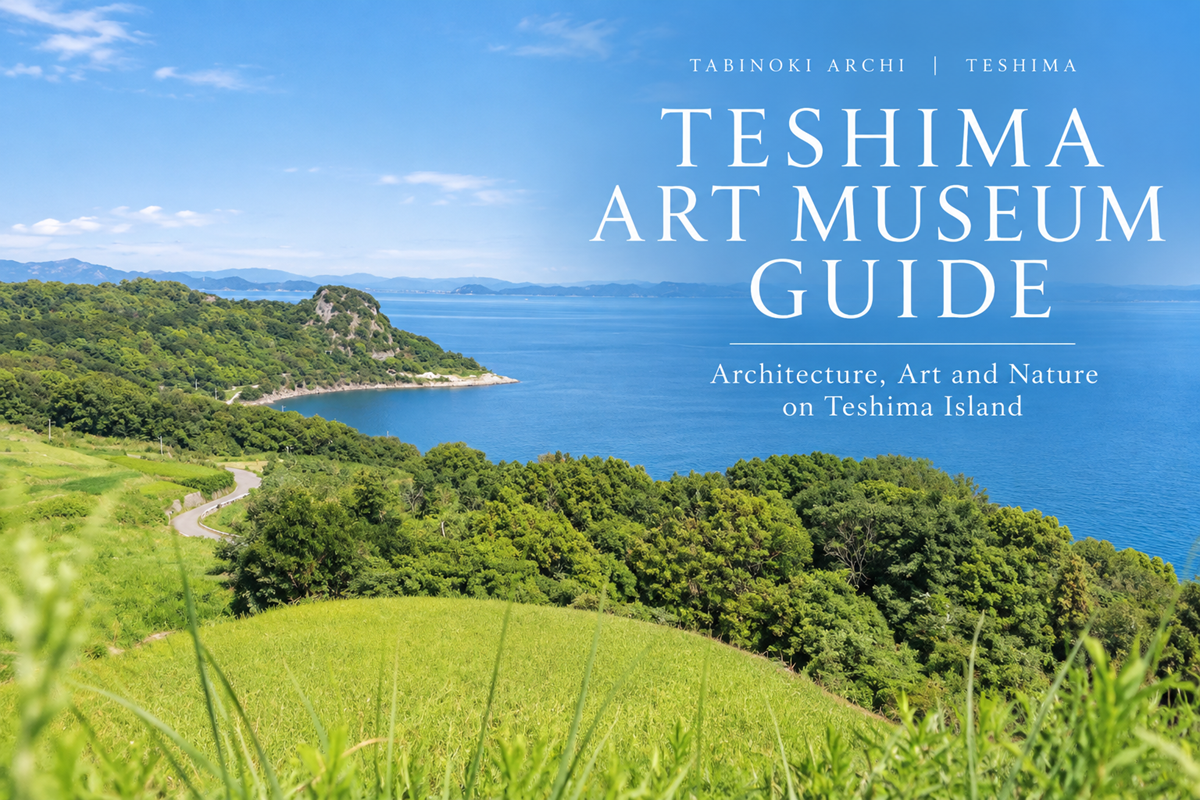
Exploring the art and architecture of Japan’s Setouchi Islands through an architect’s eyes, with two young children.
After exploring Naoshima, we continued our family trip to Teshima, another island in Japan’s Setouchi region known for its contemporary art and beautiful landscapes.
The highlight of the day was Teshima Art Museum, a place where architecture, art, and nature come together in a remarkable way. But the journey was just as memorable, from breakfast on Naoshima to the ferry ride, scenic walks, and little discoveries along the way.
Here’s how we explored Teshima as a family of four, including two young children.
Breakfast on Naoshima Before Heading to Teshima
We started the morning with breakfast at Naoshima Pasta REGALO, right next to Wright Style ANNEX, where we were staying.
Breakfast was included in our accommodation plan, so we headed to the restaurant at around 7:00 a.m. Although it normally opens at 7:30 a.m., we had asked the staff the day before if we could come earlier. They kindly made arrangements for us, and a few other guests were also there at 7:00 a.m.
▶ Find Naoshima Pasta REGALO on Google Maps
After enjoying the buffet breakfast, we were ready to set off for Teshima.
We walked to the Tsutsujiso bus stop and took a bus toward Miyanoura Port at around 8:30 a.m.
A Quick Stop at Yayoi Kusama’s Red Pumpkin
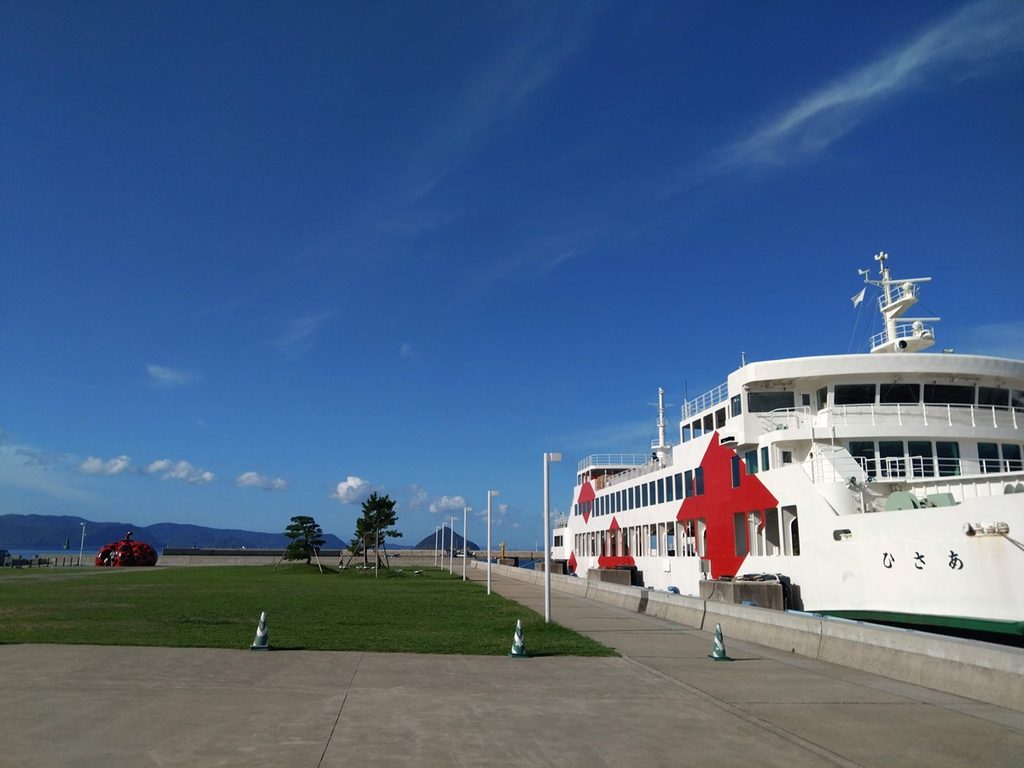
We arrived at Miyanoura Port with a little time before our ferry, so we stopped by Red Pumpkin, the iconic artwork by Yayoi Kusama near the port.
One of the fun things about this sculpture is that visitors can actually step inside it. Our children wasted no time climbing in and exploring.
For them, art was not something to look at from a distance. They could enter the artwork and experience it for themselves, making this a fun stop before we continued our journey.
Views of Miyanoura Port.
We then boarded the 9:20 a.m. ferry to Ieura Port on Teshima, arriving at 9:42 a.m.
From Ieura Port, we took the 10:05 a.m. bus and arrived at the bus stop near Teshima Art Museum at 10:19 a.m.
Teshima Art Museum: Where Architecture Meets Nature
Teshima Art Museum was one of the places I had been most looking forward to visiting on this trip.
Even before entering the museum, I was captivated by the scenery. From the bus stop, we looked down the sloping road and saw the sea stretching out in the distance. The walk toward the museum was beautiful in itself, offering a glimpse of Teshima’s peaceful landscape.
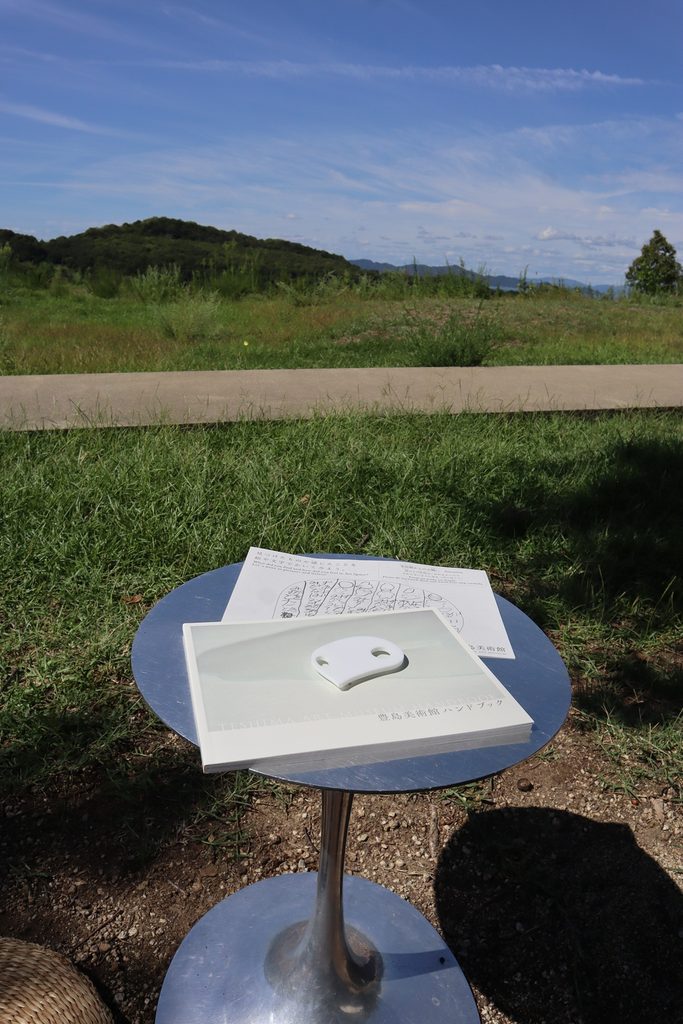
After strolling around the area, we found a place to relax outdoors while waiting for our reserved entry time of 11:30 a.m.
▶ Visit the official Teshima Art Museum website

The Architecture of Teshima Art Museum
Designed by architect Ryue Nishizawa in collaboration with artist Rei Naito, Teshima Art Museum is very different from a conventional museum.
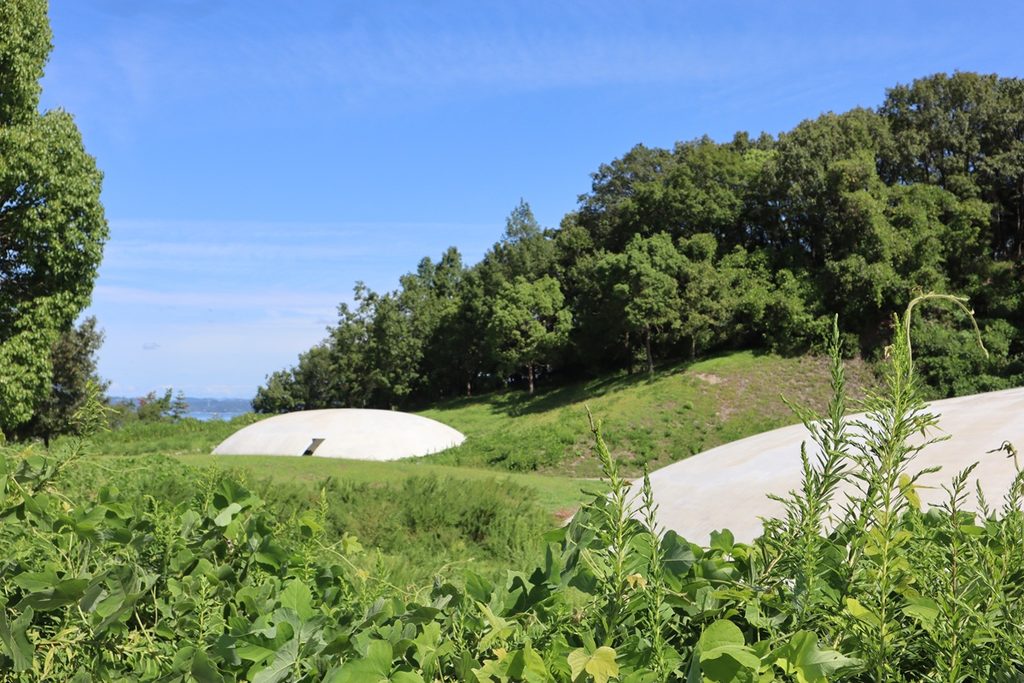
The building has a distinctive, organic form resembling a water droplet. Its low concrete shell sits gently within the surrounding landscape, with openings that bring in natural light, air, and views of the sky.
As an architect, I was particularly interested in the relationship between the building and its environment. Rather than creating a landmark that dominates the landscape, the architecture feels closely connected to the natural contours of the site.
Inside, the experience is equally unusual. Instead of walking through rooms filled with paintings or sculptures, visitors encounter a space where subtle changes in light, sound, and water become part of the artwork.
The building itself is an essential part of the experience.
Visiting Teshima Art Museum with Children
I was curious to see how our children would react to the museum. It is a place that encourages visitors to slow down, stay quiet, and pay attention to their surroundings.
To my surprise, the children were able to spend time observing the space and talking about what they felt. It was interesting to see them experience art in a way that was different from a typical museum visit.
Traveling with children often means looking for places where they can move around and interact with things. Teshima Art Museum offered something different: an opportunity to pause, observe, and experience a space together.
For me, this was one of the most memorable aspects of our visit.
The landscape surrounding Teshima Art Museum.
A Break at the Museum Café
After visiting the museum, we stopped at the café for a break.
We enjoyed cake and drinks and browsed the museum shop for souvenirs. After spending time in such a quiet and contemplative space, it was nice to relax before continuing our exploration of the island.
If you are planning a visit, check the museum’s official website in advance for opening days, ticket availability, and reservation requirements.
▶ Find the Teshima Art Museum Café & Shop on Google Maps
Lunch at Shima Kitchen
After our visit to Teshima Art Museum, we headed to Shima Kitchen for lunch.
Shima Kitchen is a well-known destination on Teshima, bringing together local food and the island community. It is a good place to include in an itinerary that combines the island’s art, architecture, and everyday life.
When planning a day trip to Teshima, it is worth considering meal times alongside museum reservations and transportation. The island is peaceful and relatively spread out, so getting between destinations takes more planning than it would in a city.
▶ Find Shima Kitchen on Google Maps
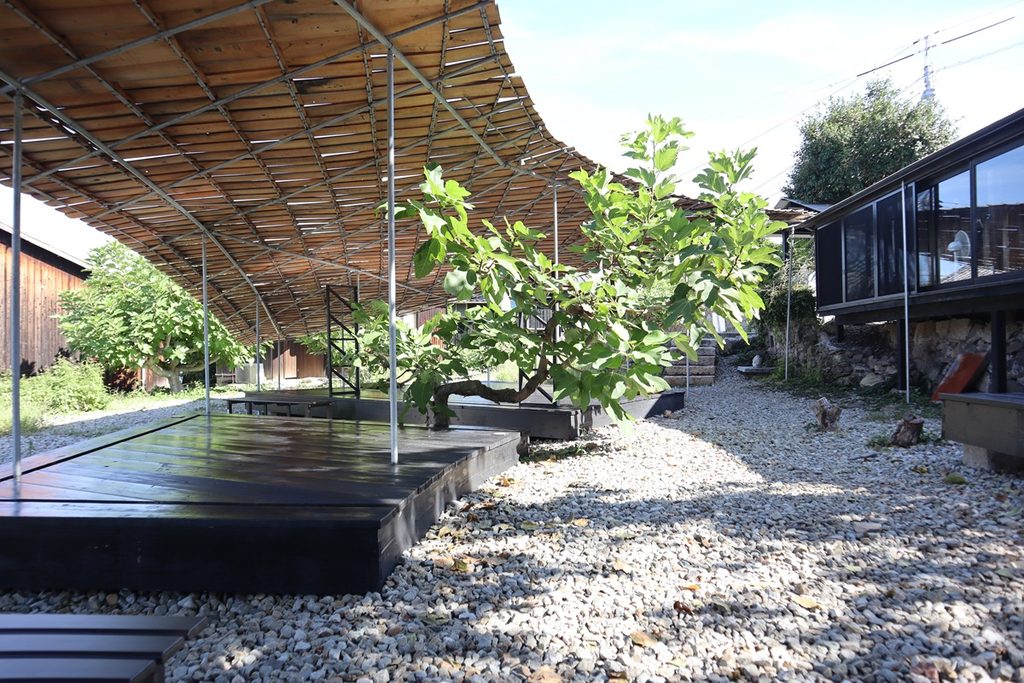
Exploring More of Teshima
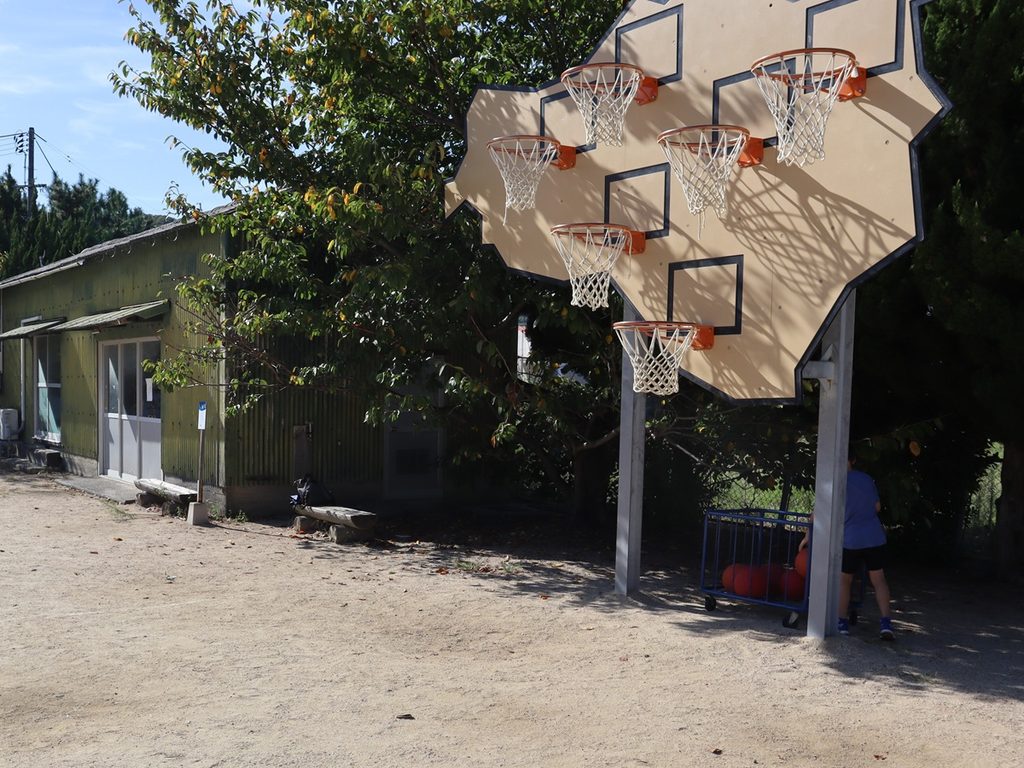
After lunch, we continued exploring the island, including the area around Karato Fishing Port and the artwork Iobett & Bonds: No Winners — Multi-Basketball.
One of the things I enjoyed about Teshima was the contrast between the quiet atmosphere of the art museum and the different experiences found elsewhere on the island.
The landscape, small ports, local food, and contemporary artworks all contribute to the island’s character. Visiting Teshima is not simply about checking famous museums off a list; it is also about enjoying the journey between them.
Getting Around Teshima
One practical point to keep in mind is transportation.
Buses connect the ports and major destinations, but services are limited compared with those in larger cities. It is important to check the timetable in advance and plan your route around museum reservations and ferry departures.
If you are traveling with children, I recommend allowing some extra time rather than planning every connection too tightly. The scenery along the way is part of what makes the island special, and having time to enjoy it makes the day more relaxing.
Returning from Teshima
After exploring the island, we made our way back toward the port for the return journey.
Looking back on the day, Teshima offered a different experience from Naoshima. Both islands combine art, architecture, and nature, but Teshima’s peaceful landscape and the unique atmosphere of its art museum made a particularly strong impression on me.
As an architect, I found it fascinating to experience a building in which the architecture does not compete with the artwork or the surrounding landscape. Instead, the space encourages visitors to become more aware of their environment.
Traveling with two young children also reminded me that experiencing art does not have to mean understanding every concept or reading every explanation. Sometimes, simply being in a space and noticing how it makes you feel is enough.
If you are planning a trip to Japan’s Setouchi Islands, I recommend visiting Teshima alongside Naoshima. Each island has its own atmosphere, and together they offer a memorable way to experience the relationship between contemporary art, architecture, and the natural world.
Planning Your Visit
Before visiting Teshima, keep these points in mind:
- Check museum reservations: Confirm the latest admission details and booking requirements on the official Teshima Art Museum website.
- Plan your transportation: Check ferry and bus timetables before setting out, as services on the island are limited.
- Allow time for the scenery: The landscape around the museum is part of the experience, so avoid scheduling every moment too tightly.
- Plan meals in advance: Check restaurant opening days and hours, especially if you have a particular place in mind.
- Travel at a relaxed pace: If you are visiting with children, leave room for breaks and unexpected discoveries.
Teshima is a wonderful destination for travelers interested in art and architecture, but it is also a place to slow down and enjoy the landscape. For our family, the combination of thoughtful architecture, contemporary art, and time spent together made it a memorable day in the Setouchi Islands.
Teshima and Naoshima each offer a unique way to experience art, architecture, and the beauty of Japan’s Setouchi Islands.
If you’re planning to visit both islands, check out my guide to Naoshima, too!
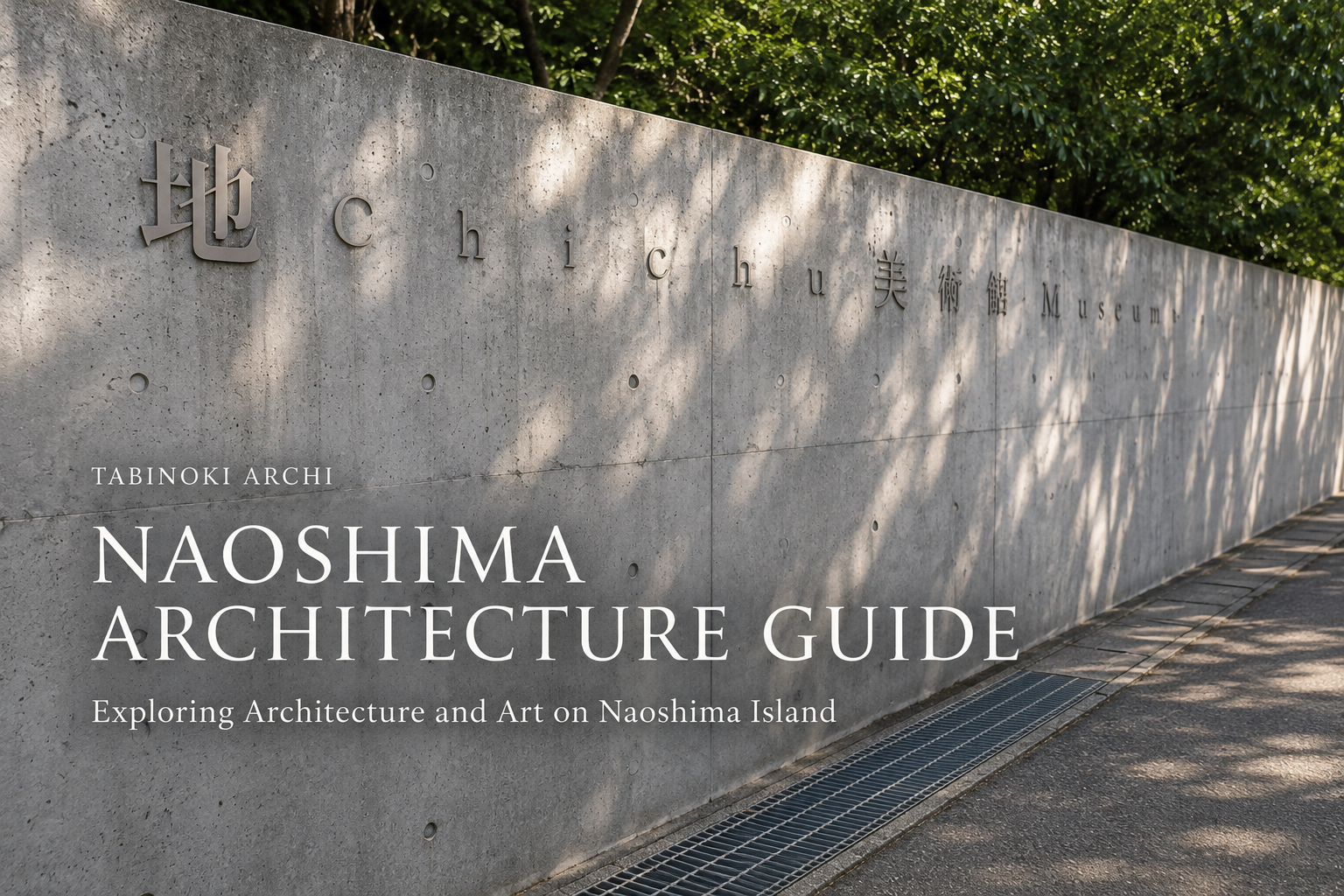
▶ Naoshima Architecture Guide: Chichu Art Museum, Naoshima New Museum of Art & ANDO MUSEUM
コメント